
Insolvency vs Bankruptcy in Australia
Updated 22 September 2026 · General information, not legal advice
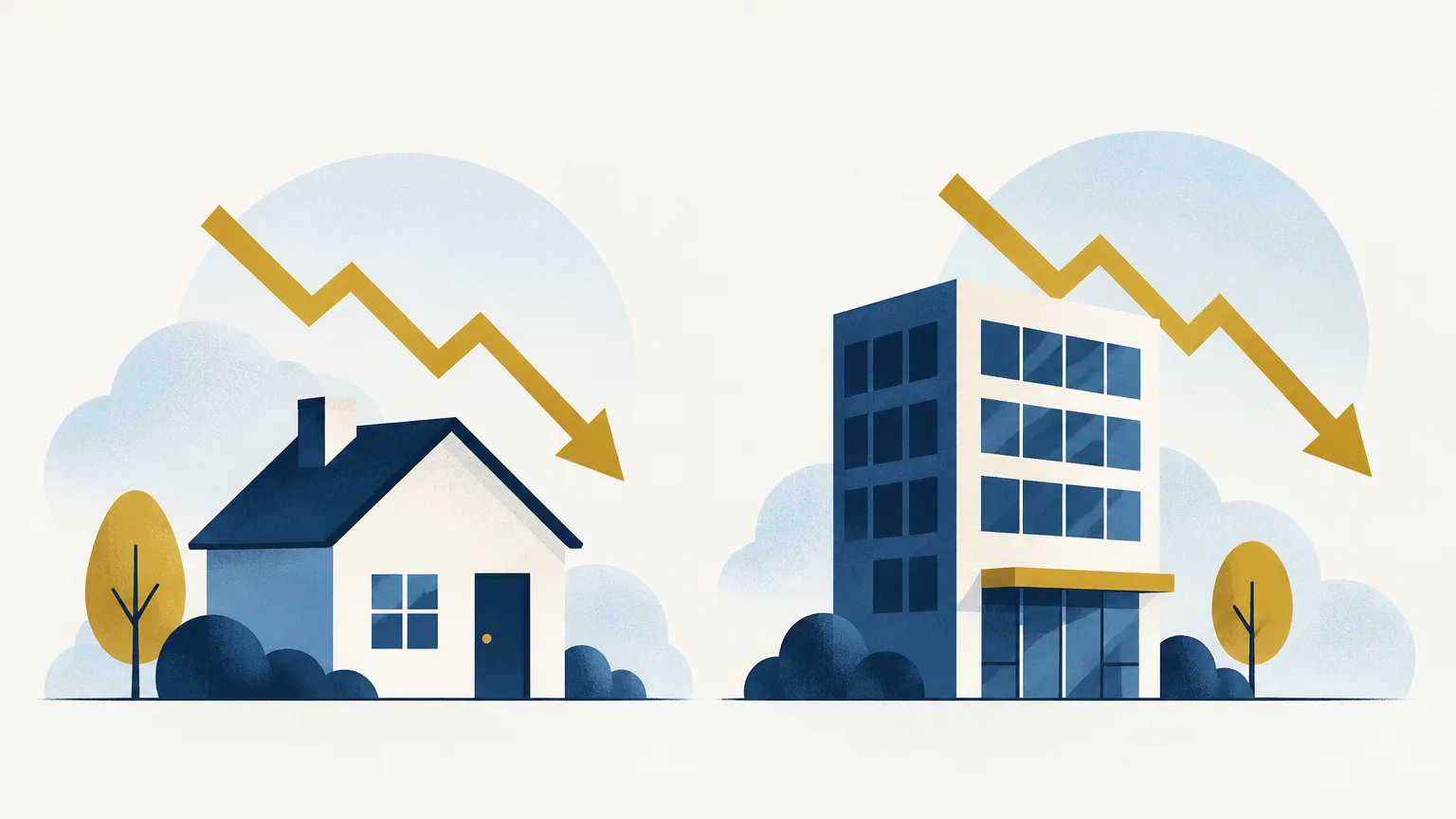
Insolvency is the state of being unable to pay debts as and when they fall due, and bankruptcy is the formal legal process an insolvent individual goes through under the Bankruptcy Act 1966 (Cth), which normally lasts 3 years and 1 day. Companies cannot go bankrupt. An insolvent company goes into liquidation, voluntary administration or small business restructuring under the Corporations Act 2001 (Cth).
The first step is to work out whose debt it is. Debts of a sole trader or partner are personal and fall under the Bankruptcy Act, while debts of a company belong to the company, subject to personal guarantees and director liabilities. Business owners facing a company insolvency often compare Commercial & Business Lawyers in Australia together with a registered liquidator or trustee.
What is the difference between insolvency and bankruptcy?
The difference between insolvency and bankruptcy is that insolvency is a financial state and bankruptcy is a legal status. Section 95A of the Corporations Act 2001 (Cth) states that a person is solvent only if they can pay all their debts as and when they become due, and anyone who cannot is insolvent. A person can be insolvent without being bankrupt. Bankruptcy begins only when a debtor's petition is accepted or a court makes a sequestration order.
| Feature | Personal bankruptcy | Company insolvency |
|---|---|---|
| Who it applies to | Individuals, including sole traders and partners | Companies |
| Law | Bankruptcy Act 1966 (Cth) | Corporations Act 2001 (Cth) |
| Regulator | Australian Financial Security Authority (AFSA) | Australian Securities and Investments Commission (ASIC) |
| Who runs it | Official Trustee or a registered trustee | Registered liquidator, administrator or restructuring practitioner |
| Main formal processes | Bankruptcy, debt agreement, personal insolvency agreement | Liquidation, voluntary administration, small business restructuring |
| How long it lasts | 3 years and 1 day, extendable to 5 or 8 years | Until the process ends; a liquidated company is deregistered |
| Creditor-started process | Creditor's petition to court for a debt of at least $10,000 | Winding-up application after an unpaid statutory demand of at least $4,000 |
| Effect on the person or entity | Debts released on discharge, with some exceptions | The company ends in liquidation, or survives under a deed or plan |
How does personal bankruptcy work?
Personal bankruptcy works through a trustee who takes control of the bankrupt's divisible assets and deals with creditors. The bankrupt must disclose their debts, income and assets, and may have to make compulsory income contributions if their income exceeds a set amount.
How do you become bankrupt?
A person becomes bankrupt in one of 2 ways:
- Debtor's petition. The person applies voluntarily to AFSA by lodging a debtor's petition and a statement of affairs.
- Creditor's petition. A creditor owed at least $10,000 applies to court for a sequestration order. The prescribed statutory minimum of $10,000 is set by regulation 10A of the Bankruptcy Regulations 2021. A creditor usually starts with a bankruptcy notice based on a final judgment, which the debtor has 21 days to comply with.
How long does bankruptcy last in Australia?
Bankruptcy in Australia normally lasts 3 years and 1 day. Under section 149 of the Bankruptcy Act, the 3 years run from the date the debtor's petition is accepted or, for a sequestration order, from the date the statement of affairs is filed. Under section 149A, a trustee's objection to discharge extends the bankruptcy to 5 years, or to 8 years for more serious grounds.
What are the alternatives to bankruptcy?
The Bankruptcy Act offers 3 formal alternatives:
- Temporary debt protection. A 21-day reprieve from creditors enforcing a judgment, while the person considers their options.
- Debt agreement (Part IX). A binding agreement with creditors to pay an affordable amount over time.
- Personal insolvency agreement (Part X). A more flexible arrangement, usually used for larger debts, administered by a trustee.
How does company insolvency work?
Company insolvency works through an external administrator appointed under the Corporations Act. The 3 main processes are set out below.
Liquidation
Liquidation ends the company. A liquidator sells the assets, investigates the company's affairs and pays creditors in the statutory order. A company goes into liquidation either by a resolution of its shareholders (voluntary liquidation) or by a court order, usually on a creditor's winding-up application. A creditor can rely on a failure to comply with a statutory demand for at least $4,000 within 21 days as proof of insolvency.
Voluntary administration
Voluntary administration aims to save the company or its business, or to give creditors a better return than an immediate liquidation, under section 435A. The directors appoint an administrator under section 436A after resolving that the company is, or is likely to become, insolvent. The administrator must hold the creditors' decision meeting within a convening period of 20 business days, or 25 business days if the administration starts in December or close to Easter. Creditors then vote for a deed of company arrangement, liquidation or a return of the company to the directors.
Small business restructuring
Small business restructuring lets an eligible company keep trading under its directors' control while a restructuring practitioner helps it propose a plan to creditors. The company's total liabilities must not exceed $1 million on the day the restructuring begins, under regulation 5.3B.03 of the Corporations Regulations 2001. The plan must be given to creditors within 20 business days, which the practitioner can extend by up to 10 business days. A company cannot use the process if it, or a current or recent director's other company, has used it or the simplified liquidation process in the previous 7 years, subject to limited exemptions.
What happens to directors when a company is insolvent?
When a company is insolvent, directors stay personally liable for their own debts and any company debts they guaranteed. They can also become liable for:
- Insolvent trading. Debts the company incurred while insolvent, under section 588G of the Corporations Act.
- Director penalties. Unpaid PAYG withholding, GST or superannuation guarantee charge.
- Breaches of directors' duties found by the liquidator's investigation.
If the director cannot pay these, personal bankruptcy can follow, and the two processes then run side by side.
Which option applies to a sole trader?
A sole trader has no separate company, so every business debt is a personal debt. A sole trader's options are the personal ones: negotiating with creditors, a debt agreement, a personal insolvency agreement or bankruptcy. Company processes such as small business restructuring are not available to them.
Where can you get free help?
Free help is available from financial counsellors through the National Debt Helpline on 1800 007 007. AFSA publishes information on each personal insolvency option, and ASIC publishes information sheets for directors, creditors and employees of insolvent companies.
Editor's picks
Chosen by our editors from verified facts and always labelled. Shown separately from the data-ranked list. How we rank law firms
FAL Lawyers
More than 30 years in commercial, technology and intellectual property law for business and government clients.
Melbourne VICCanberra ACT
View firm profile
Pearce Webster Dugdales
Established Melbourne firm with Law Institute of Victoria accredited specialists across family, property and commercial law.
Southbank VICGeelong VIC
View firm profile
Sanicki Lawyers
Boutique commercial and disputes firm with dedicated defamation and intellectual property practices.
Prahran VICFortitude Valley QLD
View firm profile
AM Legal
Long-established South Australian practice combining family, estate and commercial law with notary services.
Aldinga SA
View firm profileChaina & Sim Lawyers
Sydney corporate and commercial practice.
Sydney NSW
View firm profileInsolvency lawyers and where to find them
Insolvency matters involve registered trustees and liquidators, but legal advice decides many of the choices: responding to a statutory demand or bankruptcy notice, defending an insolvent trading claim, or proposing a restructuring plan. The Commercial & Business Lawyers in Australia rankings include firms that advise on insolvency, with city pages such as Commercial Lawyers in Sydney, Commercial Lawyers in Melbourne and Commercial Lawyers in Brisbane. Creditors who are still trying to recover a debt can start with the guide to a Letter of Demand.
Frequently asked questions
Can a company go bankrupt in Australia?
No. Bankruptcy applies only to individuals, including people in partnerships. An insolvent company goes into liquidation, voluntary administration or small business restructuring under the Corporations Act 2001 (Cth).
Does a company's liquidation make the director bankrupt?
No. Liquidation deals only with the company's debts. A director stays liable for personal debts, personal guarantees and some tax and superannuation liabilities, and may become bankrupt only if they cannot pay those.
Can a bankrupt person be a company director?
No. Under section 206B of the Corporations Act 2001 (Cth), an undischarged bankrupt is automatically disqualified from managing corporations, and any shares they hold pass to the bankruptcy trustee.
Who regulates bankruptcy and who regulates liquidation?
The Australian Financial Security Authority (AFSA) administers personal bankruptcy under the Bankruptcy Act 1966 (Cth). The Australian Securities and Investments Commission (ASIC) oversees company insolvency and registered liquidators.
Is there free help before choosing bankruptcy?
Yes. Financial counsellors give free, independent and confidential help in every state and territory through the National Debt Helpline on 1800 007 007.